
The Benefits of a Gong Bath
Gong baths are not just an auditory experience—they’re a full-body, mind, and spirit experience. Here are some of the benefits that participants often report:
- Deep Relaxation: A primary benefit of a gong bath is its ability to induce deep relaxation. The vibrations can help release tension from the body and calm the mind.
- Stress Relief: Sound therapy has been shown to lower levels of cortisol (the stress hormone) in the body, making it an effective way to unwind from the pressures of daily life.
- Emotional Release: Some people experience an emotional release during a gong bath, such as crying, laughter, or feelings of deep peace. This can be therapeutic and help with emotional healing.
- Improved Sleep: Regular gong bath sessions can help improve the quality of sleep by resetting the body’s nervous system and promoting relaxation.
- Heightened Awareness: The gong’s sound waves can induce altered states of consciousness, which can heighten self-awareness and promote a deeper connection to one’s inner wisdom.
- Energetic Healing: Many people find that gong baths can help balance the body’s energy, releasing blockages and improving overall well-being.
The Science Behind Gong Baths: How Sound Healing Works
In recent years, interest in sound therapy has surged, with practices like gong baths becoming more mainstream. But what exactly is happening during a gong bath, and why do many people report feeling deeply relaxed, rejuvenated, and even transformed after the experience? In this blog post, we’ll explore the science behind gong baths, looking at how sound affects the body and mind, and why this ancient practice may hold real therapeutic value.
What Is a Gong Bath?
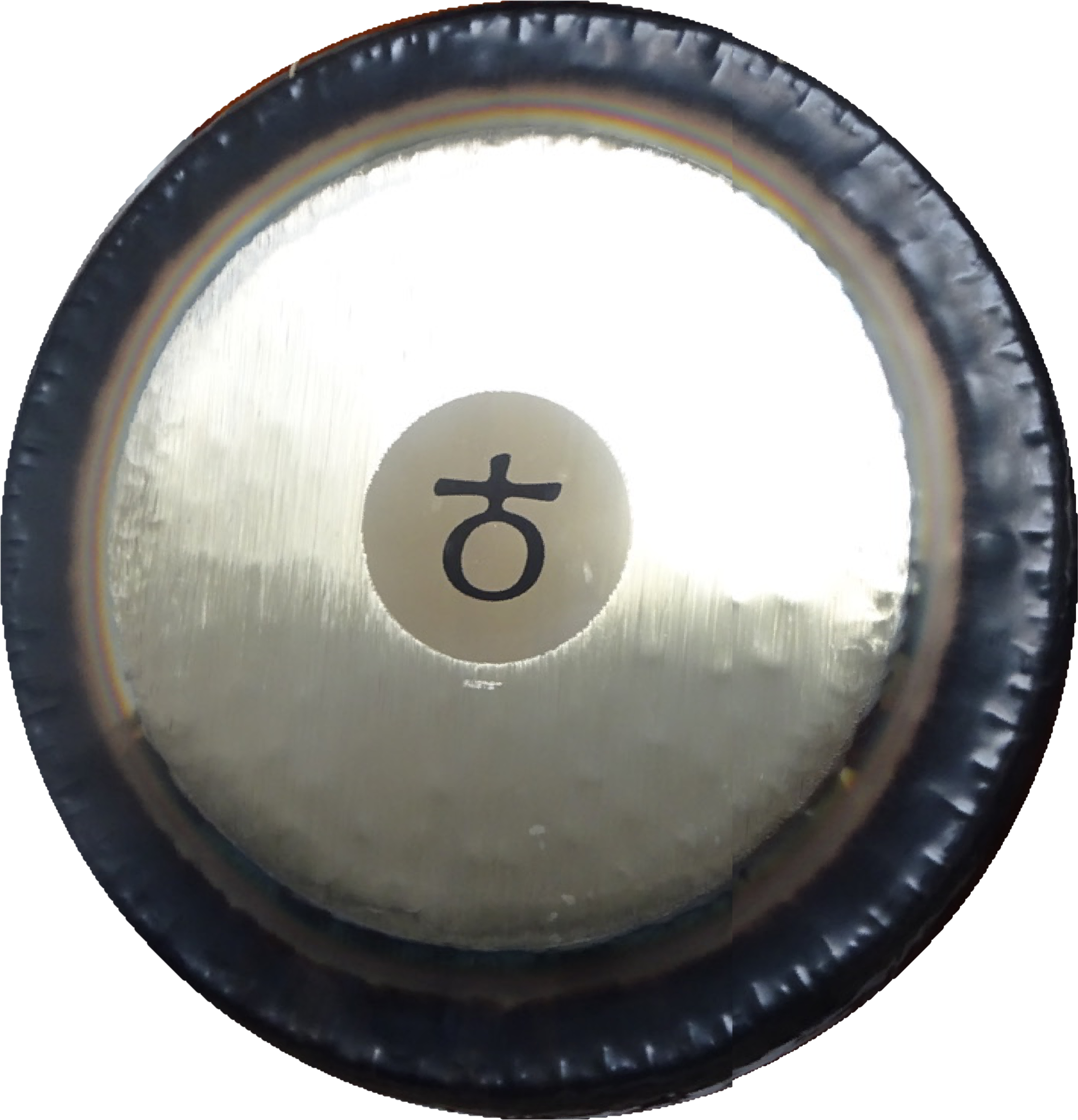
A gong bath is a form of sound therapy in which participants are immersed in the sound and vibrations produced by resonating gongs. Unlike typical meditation sessions, where the goal is often silence or controlled quiet, a gong bath uses an envelope of sound frequencies to influence the listener’s body and mind.
Gongs have been used for thousands of years in various cultures for spiritual, healing, and ritualistic purposes. The sounds they produce are rich in endless harmonic overtones, meaning that they create a wide array of frequencies that can affect both the body and brain in profound ways.
The Physics of Sound and Vibration
Before diving into the physiological effects, it’s important to understand the basic science of sound itself. Sound is a vibration that travels through all matter until it reaches our ears. The sound waves we perceive vary in frequency (the number of vibrations per second) and amplitude (the strength of the vibrations).
- Low-frequency sounds create larger, slower waves, which have a greater impact on the body and tend to resonate with deeper, more internal systems.
- High-frequency sounds create faster, smaller waves, which impact the more external, superficial systems, like the auditory system.
When a gong is struck, it produces a complex array of both high and low frequencies, each interacting with the body’s tissues and cells in different ways. This range of frequencies has been shown to influence various physiological processes, from brainwave activity to heart rate, blood pressure, and even the autonomic nervous system.
How Gong Baths Affect the Body and Mind: The Scientific Insights
While scientific research on gong baths specifically is still limited, there is a growing body of evidence supporting the effects of sound therapy in general. Here’s a closer look at how gong baths impact our physiology and psychology.
1. Brainwave Modulation and Altered States of Consciousness
One of the most profound effects of gong baths is their ability to influence brainwave activity. The sound frequencies emitted by the gong can help synchronize brainwave patterns to induce states of deep relaxation and meditative awareness.
- Theta Waves (4-8 Hz): These are the brainwaves associated with deep meditation, relaxation, and creative insight. Gong baths can often bring participants into a theta state, which is known for enhancing emotional healing, mental clarity, and creativity.
- Alpha Waves (8-12 Hz): These waves are linked to a state of relaxed alertness. Gong baths often help the brain shift into alpha waves, which is a more relaxed state, similar to daydreaming or light meditation.
- Delta Waves (0.5-4 Hz): These are the brainwaves associated with deep, restorative sleep. In some cases, the gong’s vibrations can trigger delta waves, promoting rest and recovery.
Exposure to holistic sound frequencies can help the brain enter these therapeutic states, which can lead to improved mental clarity, emotional release, and stress reduction.
2. Reducing Stress and Lowering Cortisol Levels
Stress is a common modern affliction, often accompanied by heightened levels of the hormone cortisol, which can lead to physical and mental health issues when elevated chronically. Gong baths have been shown to help lower cortisol levels, as they promote a state of deep relaxation.
The body’s autonomic nervous system (ANS) is responsible for regulating functions such as heart rate, digestion, and respiration. The ANS has two main branches: the sympathetic nervous system (SNS), which triggers the “fight or flight” response, and the parasympathetic nervous system (PNS), which is responsible for the “rest and digest” functions.
The sound vibrations in a gong bath can activate the PNS, shifting the body from a state of heightened arousal (due to stress) into a state of relaxation and recovery. This results in a decrease in cortisol production, lower blood pressure, and reduced heart rate.
3. Pain Reduction and Muscle Relaxation
Sound vibrations, particularly low-frequency sounds like those produced by gongs, penetrate the body and can promote physical relaxation. This effect is due to a phenomenon known as vibrational therapy or mechanotransduction, where vibrations stimulate the body’s tissues and muscles.
- The low-frequency vibrations from the gong have been shown to improve muscle relaxation, reduce tension, and potentially alleviate chronic pain.
- Research in vibroacoustic therapy—which uses sound waves to reduce muscle pain and promote healing—suggests that sound waves can stimulate the release of endorphins, the body’s natural painkillers, creating an analgesic effect.
Thus, gong baths may help reduce tension, ease muscular discomfort, and contribute to overall physical well-being.
4. Emotional Healing and Autonomic Balance
The sound waves produced during a gong bath are complex and multifaceted, often triggering emotional responses. Some participants report feeling emotional release, including tears, laughter, or a deep sense of catharsis during a session. Scientifically, this may be due to the vibrational resonance that occurs within the body.
- Resonance is a physical principle where an object vibrates at a certain frequency when exposed to sound waves that match or amplify its natural frequency. When the body is exposed to the gong’s vibrations, certain emotional blockages or pent-up feelings may be released, leading to feelings of emotional clarity or release.
- The vagus nerve, a critical part of the parasympathetic nervous system, is also involved in emotional regulation and stress management. Sound frequencies from the gong may help stimulate the vagus nerve, promoting emotional balance and regulation.
Studies have shown that sound therapy can enhance mood, alleviate symptoms of anxiety and depression, and foster a sense of well-being, likely due to these physiological effects.
 Riviera Gong
Leave a comment